
Simplify to Multiply: A Path to Living Well
Less Leads to More
Freedom has always been one of my deepest motivators. I’ve loved the feeling of autonomy, the belief that my decisions mattered and shaped the direction of my life. Even in circumstances outside my control, I found hope in knowing I could always choose my response.
At one point, I believed freedom came from having more. More options. More flexibility. More things. Just in case. Just because. Like an endless game of Monopoly.
But over time, I noticed something surprising.
More didn’t expand my freedom. It diluted it.

More options require more management. More maintenance. More mental energy. What I thought would create ease was actually creating friction.
Every option we add becomes something we must carry.
And slowly, I began to see a different truth:
Freedom is not found in abundance of options, but in the discipline to choose fewer, better ones.
Less, when done intentionally, creates clarity.
Clarity creates focus.
Focus creates momentum.
Momentum creates results.
I’ve experienced this most clearly in three areas of my life:
Fashion
Nutrition
Routines
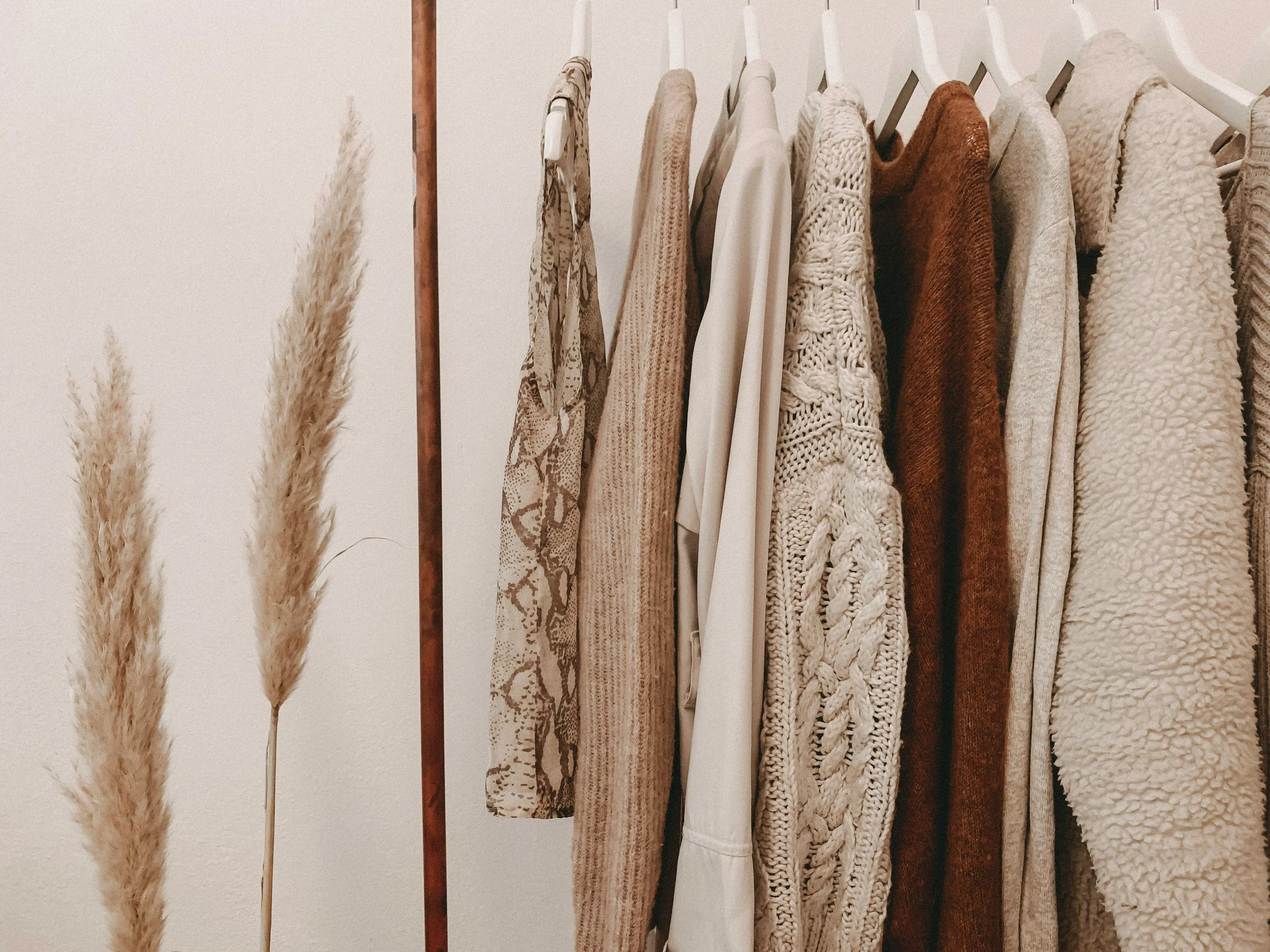
Fashion
A smaller, curated wardrobe reduces decision fatigue and increases daily confidence.
When your closet is full of items you don’t love, don’t wear, or don’t feel good in, getting dressed becomes a daily negotiation. Too many options create friction.
When everything is a good option, choosing becomes effortless.
A simplified wardrobe works because it removes noise. It eliminates the gap between what you own and what you actually wear.
Curating a Wardrobe
I went from overflowing closets to a wardrobe that could nearly fit in a suitcase.
Now, every piece fits well, feels good, and works with everything else I own. Every day feels like wearing a favorite outfit.
A few practices that made the biggest difference:
I regularly evaluate what I actually wear and remove what I don’t, using the backwards hanger method about every 6 months
I focus on quality, classic pieces over trends
I stay within a consistent color palette, so everything works together
I keep a running wish list with a waiting period to avoid impulsive purchases
I separate daily wear from special occasion items
The result: fewer choices, better choices, and zero wasted energy deciding what to wear.
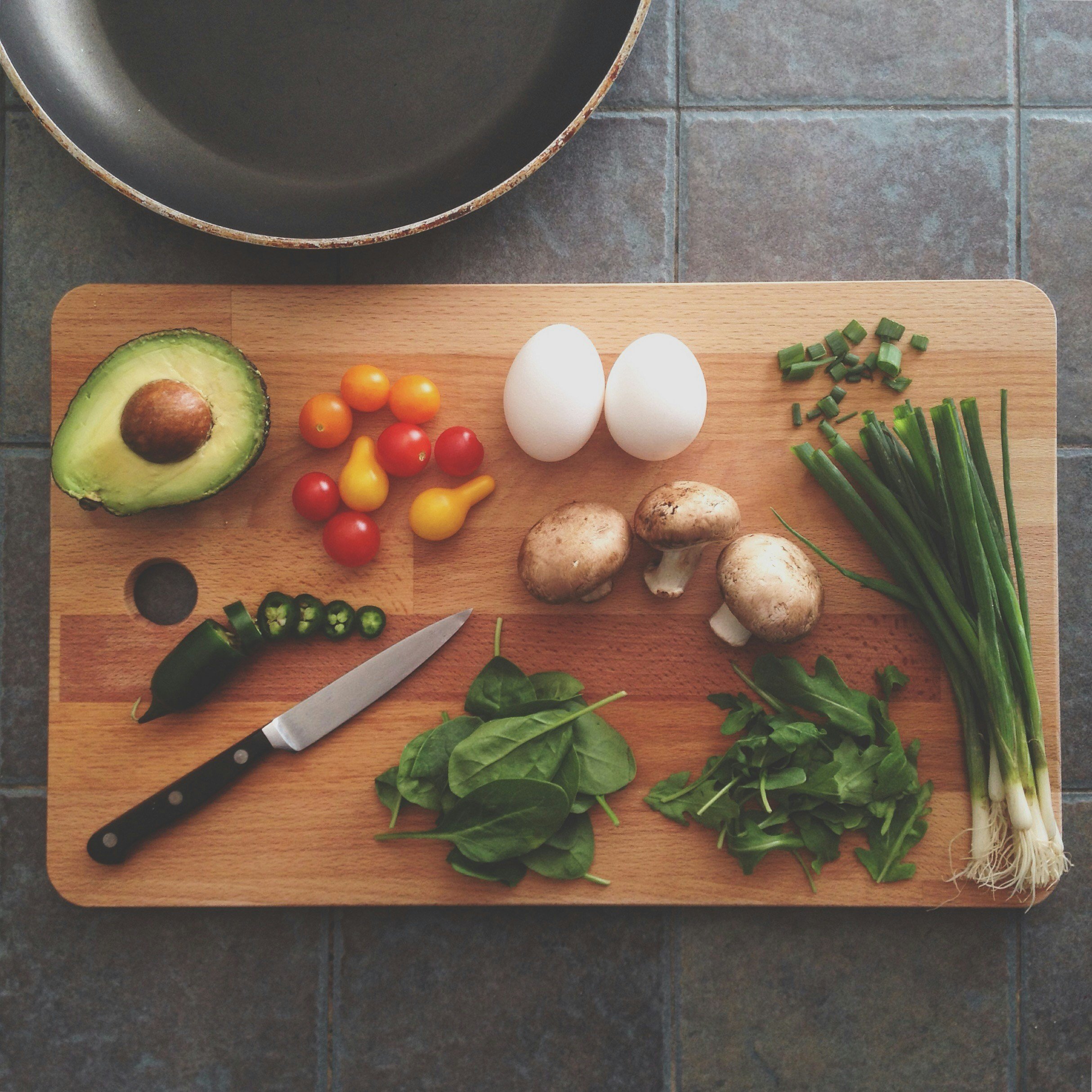
Nutrition
Simplifying food decisions creates consistency, and consistency drives results.
Nutrition often fails not because of a lack of knowledge, but because of complexity. Too many decisions. Too much variability. Too much effort is required to stay on track.
We need to make it easy for us to win on days when motivation is low.
By reducing variability, you make consistency easier. And consistency, over time, is what creates real change.
Creating a Meal Plan
What started as a simple recipe binder turned into a system.
Over time, we built a rotating four-week meal plan using healthy, whole-food recipes that we look forward to. We gradually improved ingredients, simplified preparation, and eliminated waste.
This was not an overnight transformation. It took years of small adjustments.
Now:
We repeat meals every ~28 days, so creating a shopping list is efficient and easy
We waste almost nothing because the meals we choose can be frozen and reheated, and we won’t choose recipes with one-off ingredients
We never have to ask (or answer) “what’s for dinner?” and we can share cooking responsibilities because we have a shared plan with hyperlinked recipe cards
We allow flexibility for dining out and new recipes without losing structure
The key was a slow, steady approach, with one small improvement at a time.
When we tried to overhaul everything at once, it always seemed to fail. When we built gradually, it stuck.
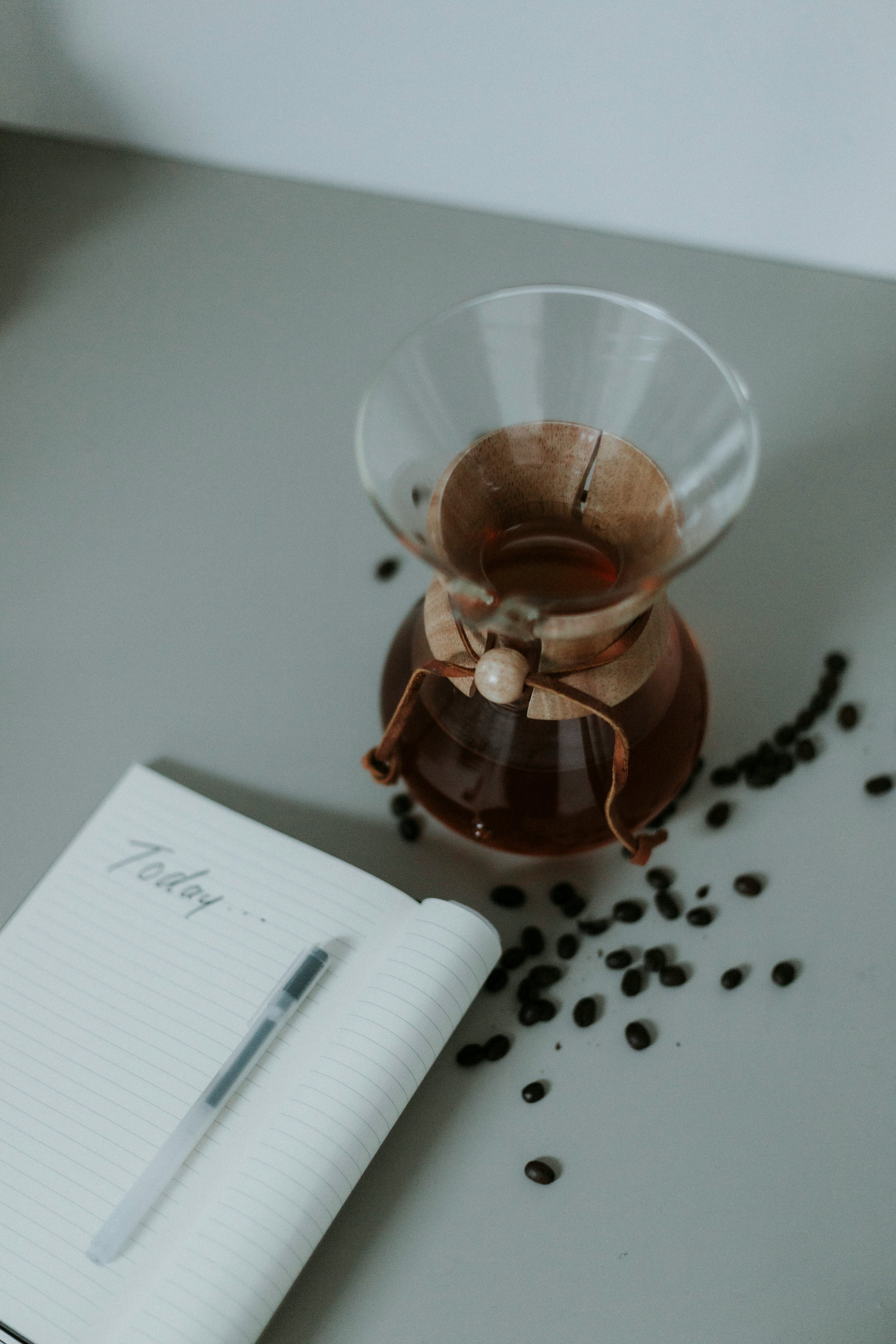
Routines
Fewer, high-impact habits outperform long, overloaded, chaotic morning routines.
We live in a time of unlimited access to information. There is always another podcast, another expert, another optimization strategy.
The challenge is not access. It is discernment.
More input does not equal more progress. Better execution does.
When routines become too long or too complex, they stop being sustainable. The goal is not to do everything. The goal is to do what matters, consistently.
Building Habits into a Routine
At one point, my “power hour” turned into a two and a half hour routine that left me drained before my workday even began. It became unrealistic and unsustainable.
So I simplified.
I focused on identifying the habits that created the greatest return on my time and energy. Then I built around those.
What made the biggest difference:
I only add or change one habit at a time
I anchor new habits to clear cues and celebrate the small “gold-star” moments
I prioritize a strong evening routine to support my mornings
I review and adjust quarterly based on what is actually working
I am still willing to experiment. But for something to stay, it must earn its place.
If it does not meaningfully improve my energy, focus, joy, or peace, it does not belong in my routine.
Disciplined Consistency
The principle of doing less, better, continues to prove itself across every area of my life.
It is tempting to believe that more options will create more freedom. But in practice, the opposite is often true.
More options create more noise.
More noise creates more friction.
More friction slows progress.
True growth comes from committing to what works and staying with it long enough to see results.
Mastery is not found in constant change. It is found in disciplined consistency.
There will always be new ideas, new strategies, new optimizations. And they can be valuable. But not at the expense of the fundamentals.
The basics work. They have always worked. The question is whether we will stay with them.
So the question becomes:
Where in your life would fewer, better choices create more freedom?
Reflect:
What am I maintaining that no longer serves me?
Where am I choosing complexity over clarity?
What is one thing I could simplify this week?
Encouragement:
Hebrews 12:1 – Therefore, since we are surrounded by such a great cloud of witnesses, let us throw off everything that hinders and the sin that so easily entangles. And let us run with perseverance the race marked out for us,
Bruce Lee – It is not daily increase but daily decrease. Hack away at the unessential.
The Minimalists – Minimalism is not about having less. It’s about making room for more of what matters.